
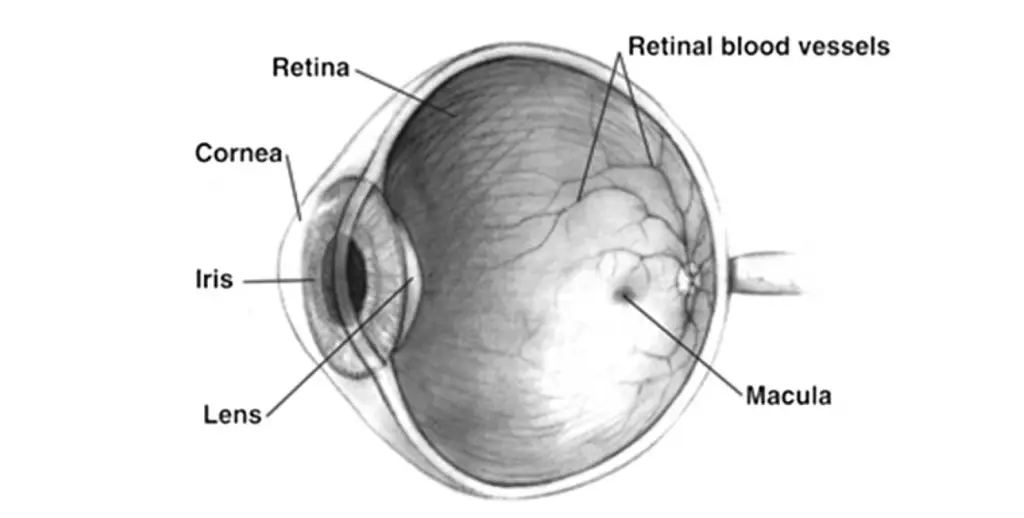
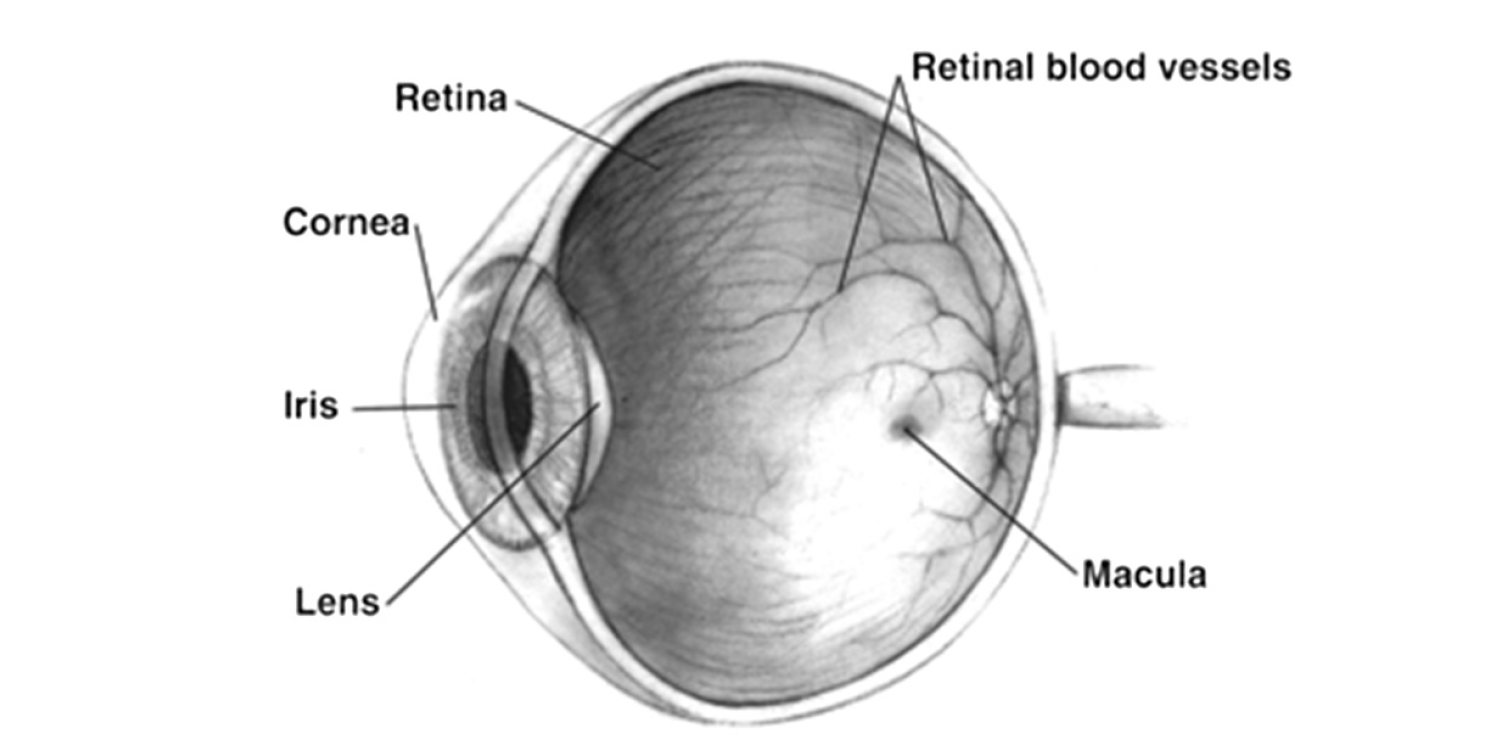
LiDAR systems emit laser radiation that can pose serious risks to human eyes if appropriate safety measures are not implemented. Eye injury from laser exposure typically occurs through thermal damage, either by burning the retina or by damaging the cornea and outer eye surfaces.
Because the human eye naturally focuses incoming light onto the retina, the retinal irradiance can be amplified by several orders of magnitude. As a result, the retina is far more vulnerable to laser-induced injury than the outer layers of the eye.
Wavelength Dependence of Eye Hazard
Laser wavelength plays a critical role in determining eye safety:
Wavelengths below ~0.4 μm (UV)
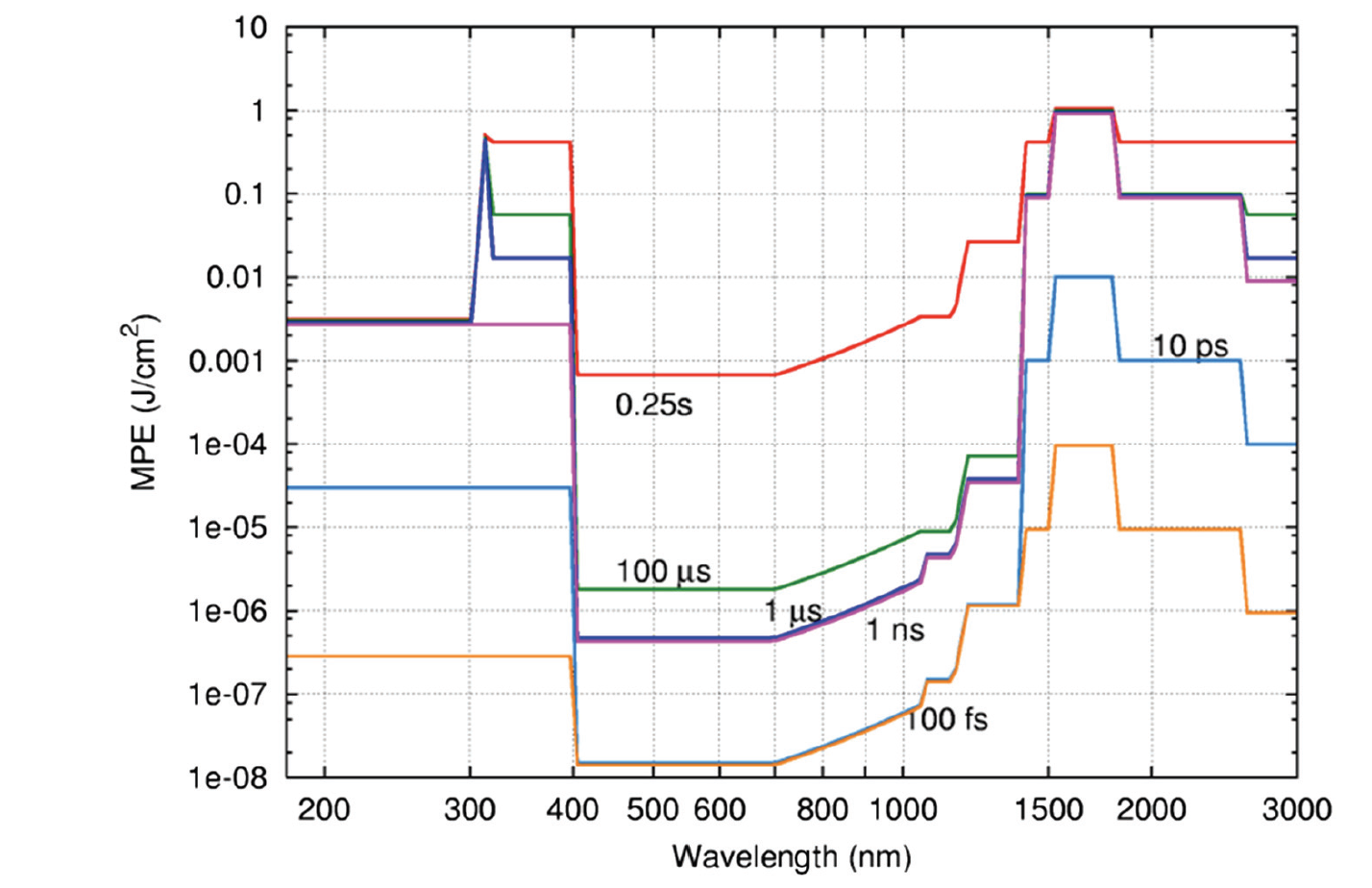
These wavelengths are poorly absorbed by water in the eye and can cause significant damage, including photochemical injury to ocular tissues.Visible and near-infrared wavelengths (0.4–1.4 μm)
Light in this range can pass through the cornea and lens and be focused directly onto the retina, creating a high risk of retinal burns even at relatively low power levels.Longer wavelengths (≥1.5 μm)
Lasers operating at or above 1.5 μm are generally considered more eye-safe. At these wavelengths, water in the eye strongly absorbs the radiation before it reaches the retina, preventing retinal focusing and significantly reducing the likelihood of permanent vision damage.
For this reason, 1.5 μm and longer wavelengths are widely adopted in modern LiDAR systems, especially in applications involving human exposure such as automotive, industrial, and airborne sensing.
Maximum Permissible Exposure (MPE)
The Maximum Permissible Exposure (MPE) defines the maximum laser energy or power density that the eye or skin can safely tolerate without injury. MPE values are typically expressed in J/cm² or W/cm² and depend on several factors:
- Laser wavelength
- Exposure duration
- Beam diameter and divergence
- Pulse energy and repetition rate
Unlike laser safety class labels, which provide a general hazard category, MPE represents the definitive safety threshold for real-world LiDAR operation.
Flash vs Scanning LiDAR Safety
Different LiDAR architectures pose different eye safety considerations:
Flash-illuminated LiDAR
The entire scene is illuminated simultaneously, potentially exposing the eye to laser radiation for a longer dwell time. This increases eye safety risk and requires careful power management and strict adherence to MPE limits.Scanning LiDAR
The laser beam rapidly scans across the scene, resulting in very short exposure durations at any single point. This significantly reduces eye hazard and allows higher peak power while remaining within MPE limits.
Why Longer Wavelengths Improve Safety
Operating at longer wavelengths reduces eye hazard by several orders of magnitude. Although higher optical power may be used, the effective retinal exposure is minimized because the light is absorbed by ocular fluids before reaching sensitive retinal tissue. This absorption mechanism prevents severe retinal injury and enables safer high-performance LiDAR designs.
Summary
Eye safety is a fundamental consideration in LiDAR system design. Retinal damage poses the greatest risk due to the eye’s focusing effect, but this risk can be significantly reduced by operating at longer wavelengths, particularly at 1.5 μm and above.
While laser classifications provide general guidance, compliance with Maximum Permissible Exposure (MPE) standards is essential for ensuring safe LiDAR operation—especially in applications involving prolonged exposure or human presence. Careful wavelength selection, power control, and scanning strategies enable LiDAR systems to deliver high performance without compromising eye safety.