
A ZnSe window is an optical component made from Zinc Selenide material. It is commonly used in infrared and laser systems because it allows infrared light or laser energy to pass through while helping to protect the internal optical system.
ZnSe windows are often used in CO₂ laser machines, infrared sensors, thermal imaging systems, inspection equipment, and optical instruments.
What Is a ZnSe Window Used For?
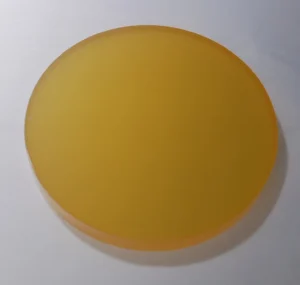
A ZnSe window is a flat optical component made from Zinc Selenide. It allows infrared light or laser energy to pass through while helping to protect the internal parts of an optical system.
In simple terms, it works like a protective optical cover. It helps protect lenses, sensors, detectors, and laser assemblies from dust, debris, and external contamination. Because of this, engineers often use this component in CO₂ laser machines, infrared sensors, thermal imaging systems, inspection equipment, and optical instruments.

Why Choose Zinc Selenide?
Zinc Selenide works well in many infrared and laser applications. In particular, it is a practical material for systems that need infrared transmission and optical protection at the same time.
For example, customers often choose this material for CO₂ laser equipment, IR sensing devices, and custom infrared assemblies. As a result, a ZnSe window can support both protection and transmission in one optical part.
Optical Grade and Laser Grade Options
We can supply ZnSe windows in different grades depending on the application.
For general infrared systems, engineers commonly use Optical Grade ZnSe. This grade suits IR windows, sensor protection, thermal imaging systems, and general optical transmission applications.
For laser systems, especially CO₂ laser applications, customers usually select Laser Grade ZnSe. This grade is recommended when the part may face laser energy and stable optical performance is required.
In simple terms:
| Grade / Type | Common Use | Simple Explanation |
|---|---|---|
| Optical Grade ZnSe | IR windows, sensors, thermal imaging, general optics | Suitable for general infrared optical applications |
| Laser Grade ZnSe | CO₂ laser systems, laser windows, beam delivery systems | Recommended when the part is used with laser energy |
Therefore, when requesting a quote, it is helpful to mention whether the application is for general infrared use or CO₂ laser use. This allows us to recommend a suitable material grade and coating option.
Use in CO₂ Laser Systems
One common application of Zinc Selenide is CO₂ laser equipment. These systems are widely used for cutting, engraving, marking, and industrial processing.
In this type of system, a ZnSe window may protect the beam path, internal optics, or laser assembly. At the same time, it allows the laser beam to pass through the optical path. This helps reduce exposure to dust, particles, and contamination without blocking the required laser energy.
ZnSe Window for Infrared Systems
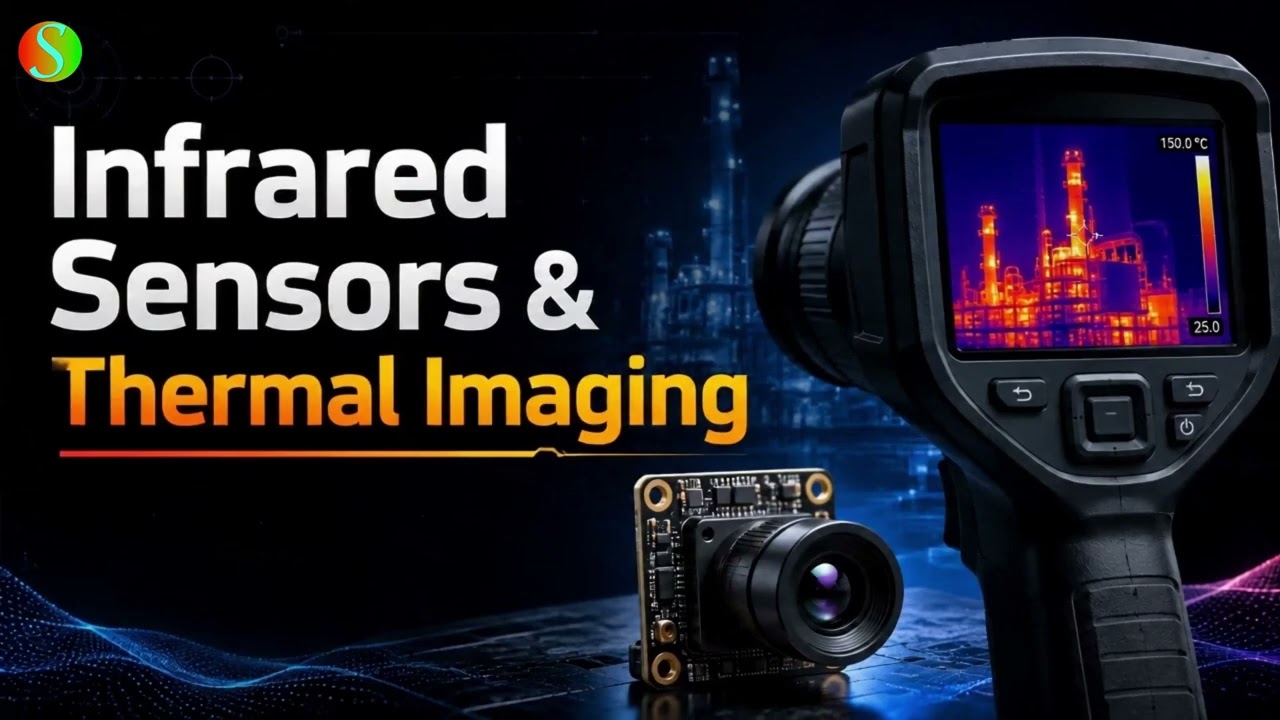
A ZnSe window is also used in infrared systems where IR transmission is required. For instance, it can support:
- Infrared sensing
- Thermal imaging
- Industrial monitoring
- Gas analysis systems
- Research instruments
- Optical testing equipment
In these applications, the component protects the system while allowing infrared energy to enter or pass through.
Does a ZnSe Window Need Coating?
We can supply ZnSe optical windows as uncoated or coated components.
For many infrared and laser systems, AR coating helps reduce reflection and improve transmission. However, the best coating depends on the wavelength range, working environment, and application.
Common options include:
- Uncoated ZnSe window
- AR-coated ZnSe window
- Custom-coated ZnSe window
If the system uses a specific wavelength, such as 10.6 µm for CO₂ laser or 8–12 µm for LWIR, please include this information in the request.
ZnSe Window vs ZnSe Lens
A window and a lens are different optical parts.
A window is usually flat. It mainly provides protection and transmission.
A lens has a curved or shaped surface. It focuses, collimates, or controls light.
Therefore, if your system only needs protection, a ZnSe window may be suitable. If your system needs to focus a beam or form an image, a ZnSe lens may be required.
What Information Should You Provide Before Requesting a Quote?
To help us review your request, please provide the following details:
- Diameter or size
- Thickness
- Dimensional tolerance
- Wavelength range
- Coating requirement
- Surface quality
- Surface flatness
- Clear aperture
- Quantity
- Drawing or specification, if available
- Application, such as CO₂ laser, IR sensor, or thermal imaging system
Example Specification for ZnSe Window
| Item | Example Specification |
|---|---|
| Material | ZnSe |
| Component Type | Optical window |
| Diameter | 25.40 mm |
| Thickness | 3.00 mm |
| Dimensional Tolerance | Diameter: +0.00 / -0.10 mm; Thickness: ±0.10 mm |
| Wavelength Range | 10.6 µm / 8–12 µm / custom IR range |
| Surface Quality | 60/40 scratch-dig |
| Surface Flatness | λ/2 @ 632.8 nm |
| Clear Aperture | ≥ 90% of diameter |
| Coating Requirement | Uncoated / AR coating |
| Edge / Chamfer | Protective chamfer, 0.2 mm × 45° |
| Quantity | 10 pcs |
| Application | CO₂ laser system / infrared sensor / thermal imaging system |
Conclusion
A ZnSe window helps transmit infrared light or laser energy while protecting the internal optical system. It is commonly used in CO₂ laser equipment, infrared sensors, thermal imaging systems, industrial inspection equipment, and custom optical assemblies.
Shape Optics Technologies supplies custom ZnSe windows, ZnSe lenses, infrared optical components, coated optical windows, and laser optics based on customer drawings and application requirements.
Contact us to discuss your custom Zinc Selenide optical window requirements.